
Author: Jane Morocco
When we look back at the economic devastation of the Great Depression, President Franklin D. Roosevelt’s New Deal initiative—specifically the Works Progress Administration (WPA)—conjures familiar images of grand public works: massive bridges arching over roaring rivers, freshly paved rural roads, and sprawling municipal infrastructure designed to put men back to work.
Yet, nestled within the sprawling architecture of the WPA was an extraordinary cultural undertaking known as Federal Project Number One. Its sub-division, the Federal Writers’ Project (FWP), did something revolutionary for its time. Rather than putting shovels into the dirt, it gave pens to the unemployed. Writers, historians, teachers, journalists, and poets were hired not just as a form of financial relief, but to document the collective soul, diverse landscape, and rich vernacular of America.
Nowhere was this grassroots cultural excavation more vibrant—or more deeply intertwined with local identity and environmental stewardship—than in Indiana, where sharp local minds like Virginia Moe helped chronicle and preserve the unique spirit of the Midwest.
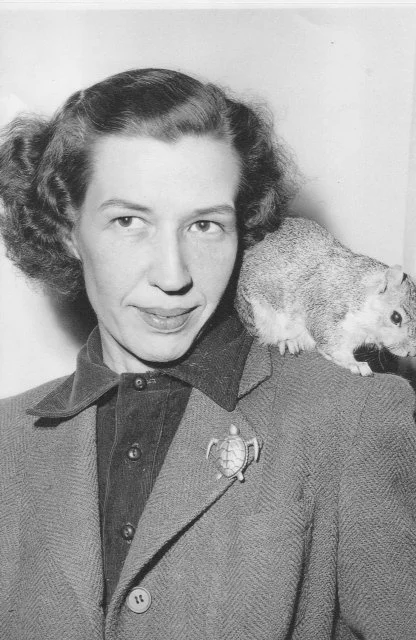
Born in 1907/1908, Virginia grew up in Gary, Indiana. Her family owned a cottage on Miller Beach where they regularly spent summers.
The WPA Writers’ Project: A New Deal for Literature
Established in 1935 as part of the second wave of New Deal legislation, the Federal Writers’ Project was designed to provide relief employment to struggling literary professionals while simultaneously creating a multi-volume cultural portrait of the nation. It was an unprecedented government investment in American arts and letters. Famous literary figures who would later shape the canon of American literature—such as Zora Neale Hurston, Ralph Ellison, and John Steinbeck—famously cut their teeth, gathered research, or worked under the banner of the project.
Across the country, FWP workers fanned out into local towns, rural backroads, and bustling industrial cities. They conducted thousands of oral history interviews with former slaves, recorded fading pioneer folklore, and compiled comprehensive state guides. These guides weren't dry, uninspired travel handbooks; they were rich, multi-layered tapestries blending social history, regional architecture, industrial lore, and natural wonders into a cohesive celebration of American democracy.
Indiana’s Contribution: Mapping the Hoosier State
In Indiana, the Writers’ Project brought together a passionate cohort of local researchers, historians, and journalists. Overseen by figures like academic Ross Lockridge and regional supervisors, the Indiana FWP team took on the monumental task of detailing the state's diverse geography and complex social fabric—ranging from the rolling, tree-lined hills of Brown County to the booming, smoke-stack-filled steel mills of the Calumet Region and the haunting, biologically rich beauty of the Indiana Dunes.
Workers and researchers on the Indiana project documented:
Industrial Labor: The unique culture, struggles, and multi-ethnic immigrant communities that built the heavy-industry backbone of Northwest Indiana cities like Gary.
Pioneer Folklore: Oral histories, religious traditions, folk remedies, and folk songs handed down from early settlers who carved lives out of the Midwest wilderness.
The Natural Landscape: Detailed ecological descriptions of the state's unique geographical features, including the Indiana Dunes, which local preservationists fiercely fought to protect, study, and promote to the public.
Virginia Moe: Naturalist, Researcher, Writer, and the 1939 Calumet Region Guide
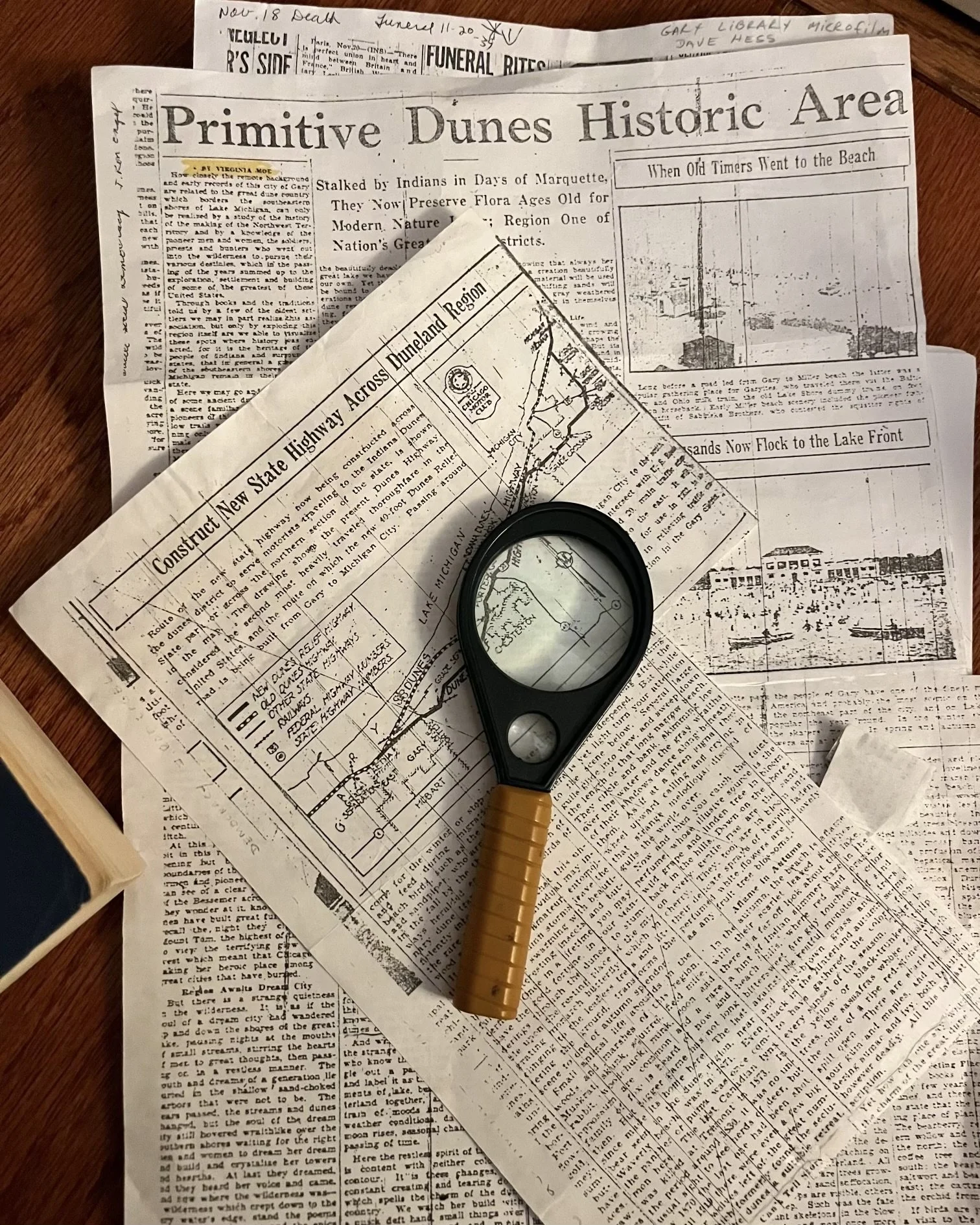
Maps, stories, and tales of the early days used by author Jane Morocco.
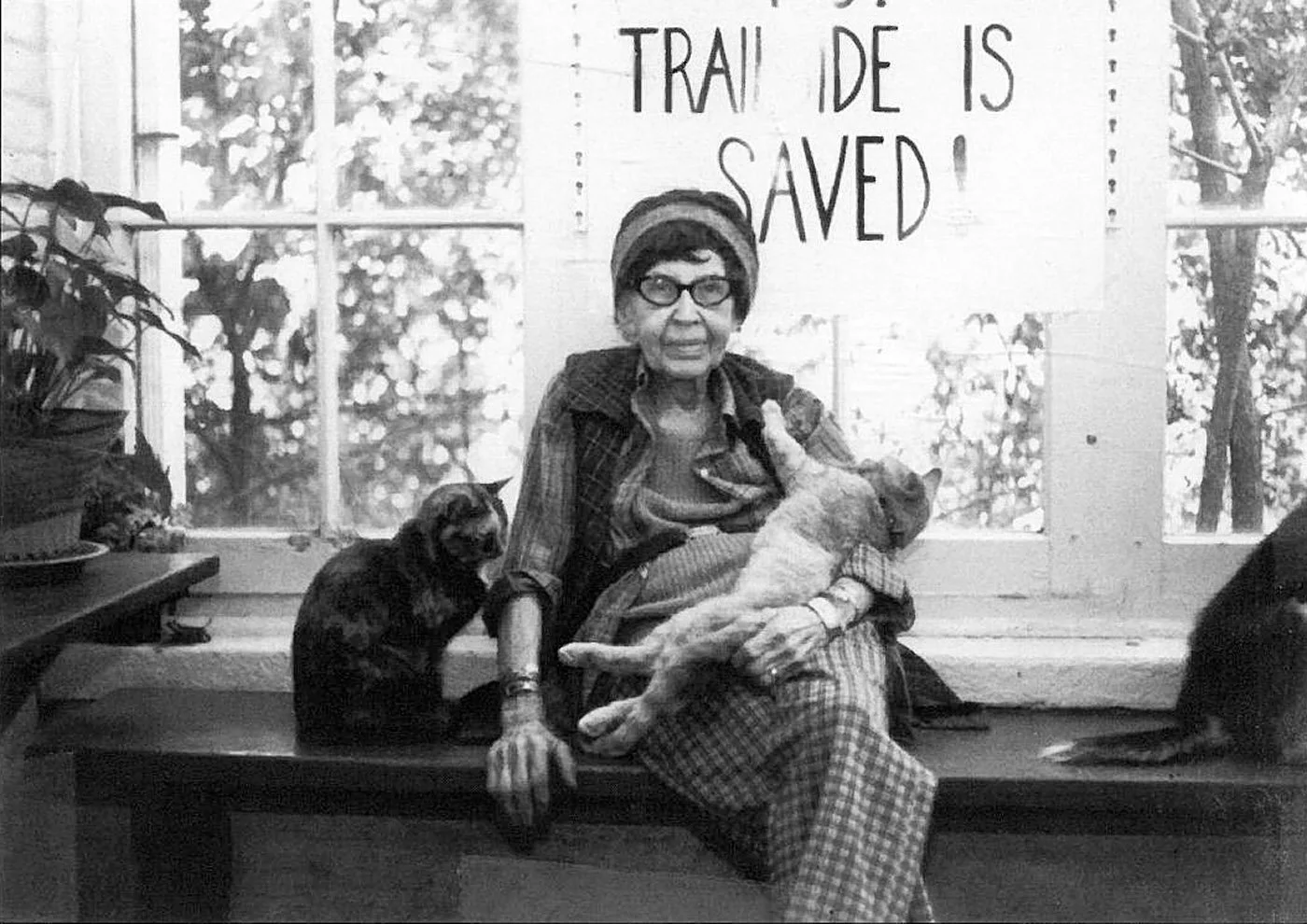
One of the most fascinating local figures connected to this era of regional storytelling and environmental advocacy was Virginia Moe (1907–1991). While widely celebrated later in life as the legendary, half-century-reigning naturalist at the Trailside Museum in River Forest, Illinois, Moe’s roots were firmly and deeply planted in the sandy soil of Northwest Indiana.
Virginia Moe contributions included discussions around “Colonel” David Crockett, a man who escaped slavery and ettled in the wilds along Lake Michigan in the 1860s. He lived north of the Grand Calumet River in present day Miller Beach neighborhood in Gary before historical figure Drusilla Carr arrived.
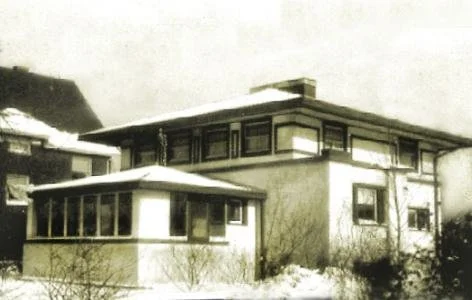
This residence was designed for Ingwald Moe, a well known Gary contractor. It’ a exact replica of Wright’s Charles A. Brown house (1905), in Evanston, Illinois. Photo: Frank Lloyd Wright Trust.
Growing up in Gary, Virginia lived in an architectural masterpiece: a landmark Prairie-style home located at 669 Van Buren Street. Built between 1909 and 1910 and constructed by her father, building contractor Ingwald Moe, the residence was designed by legendary architect Frank Lloyd Wright (assigned opus number 0531 by Taliesin). Adapted from Wright’s design for the Charles A. Brown House in Evanston, Illinois (with oversight potentially shared by architectural pioneer Marion Mahony), the house provided a striking, artistic backdrop for Virginia's formative years. Beyond this urban architectural gem, her family’s connection to the region ran deep; they spent summers in a cottage in Miller Beach and later a seasonal home named "Valhalla" located right inside the boundaries of the Indiana Dunes State Park from 1927 to 1937.
Establishing Dunes State Park and Ecological Consciousness
Beyond her writing and lifelong passion for wildlife, Virginia and her family took an active, hands-on role in the early grassroots conservation movement to protect the region from encroaching industrialization. Virginia served as a dedicated member of the committee that successfully helped obtain and secure the land for the original Indiana Dunes State Park.
Scholars examining the intersection of environmental ethics and community activism—such as J. Ron Engel in his seminal work exploring the roots of ecology and social democracy in the region—have highlighted how deeply intertwined local grassroots efforts were with saving the Dunes. Figures like Virginia Moe embodied this ethos, demonstrating how community-driven social democracy and early ecological preservation went hand in hand. Protecting the Dunes wasn't just about saving unique ecology; it was about preserving a democratic common space where everyday people from all walks of life could connect directly with the natural heritage of the American landscape.
The 1939 Calumet Region Historical Guide
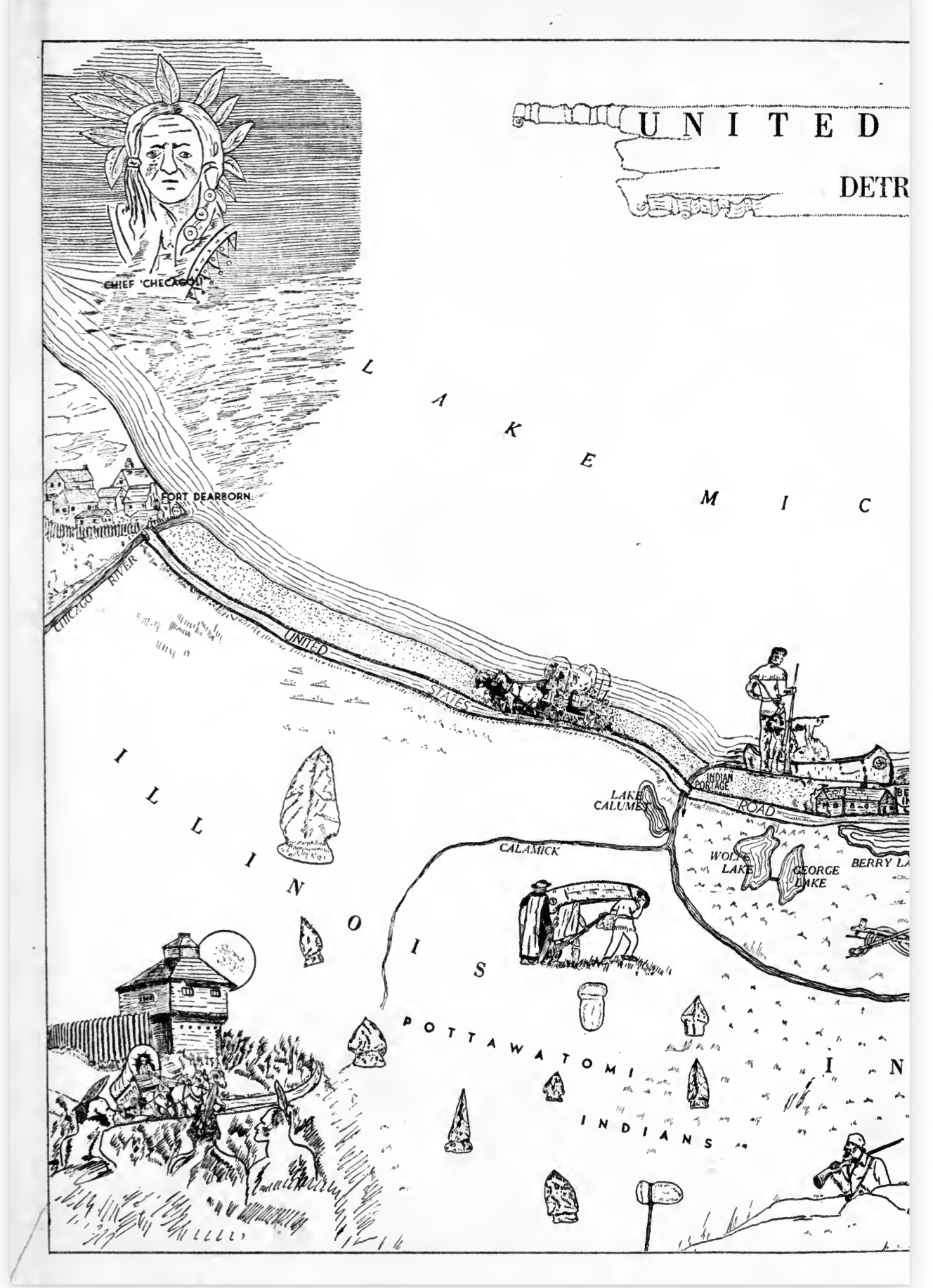
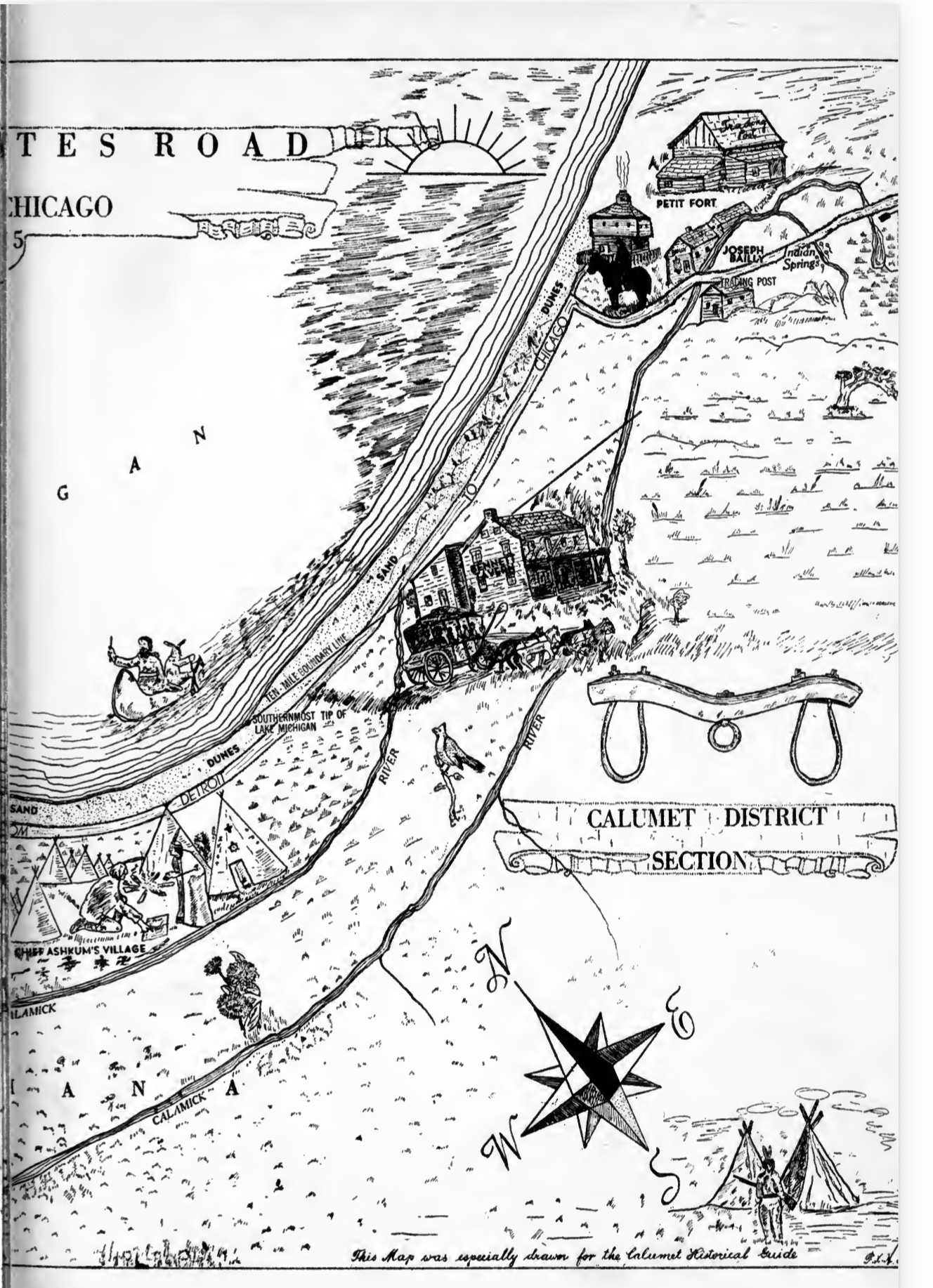
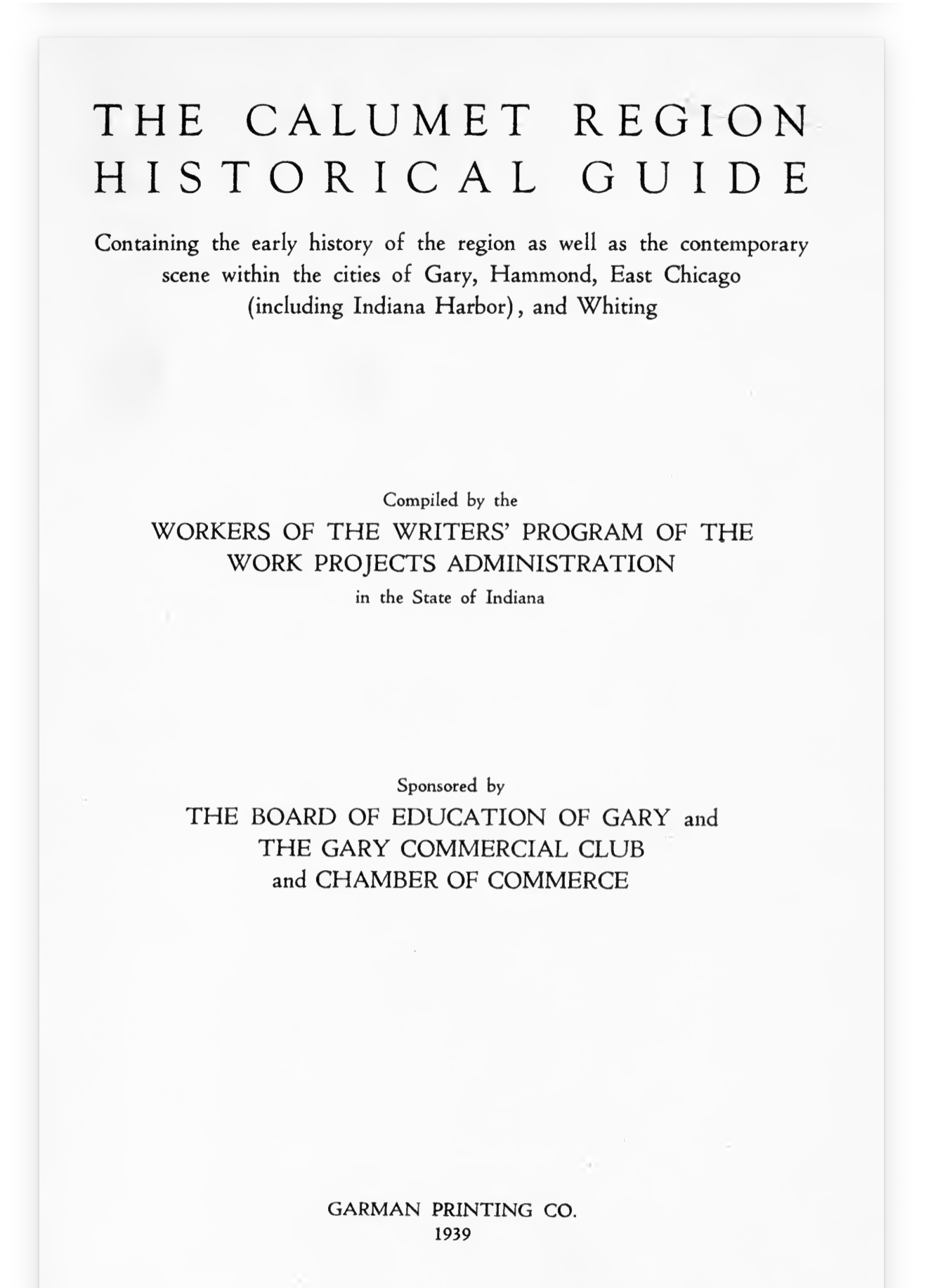
Moe’s deep knowledge of her home territory is also manifested in collaborative historical documentation. She contributed her local expertise, research, and writing to the 1939 Calumet Region historical guide—a landmark localized publication printed by Garman Printing (often noted alongside the vital regional printing efforts of the era). This publication served as a crucial compendium celebrating the industrial growth, multi-ethnic immigrant heritage, and distinct natural geography of Northwest Indiana.
Though her career later pivoted entirely to wildlife rehabilitation and environmental education (culminating in her classic 1946 book Animal Inn), her early conservation work, FWP-era contributions, and historical writing mirrored the broader ethos of the New Deal: a deep, urgent desire to document, understand, and preserve the distinct heritage of the American landscape before it vanished forever.
Legacy of the Hoosier FWP
The work done by writers, researchers, and local chroniclers during the WPA era permanently altered American historiography. By shifting the lens away from elite politicians and focusing instead on ordinary factory workers, immigrant laborers, folklorists, children, and naturalists, projects like the Indiana FWP democratized history. They proved that the story of America belongs to everyone.
When we read the surviving pages of the WPA Indiana guides or reflect on the lifework of local preservationists like Virginia Moe, we are reminded of a unique moment in time when the federal government and local citizens decided that art, literature, and the preservation of natural spaces were essential human necessities.
About the Author
Jane Morocco worked alongside Virginia Moe at the Trailside Museum in River Forest for 10 years and became a licensed wildlife rehabilitator by the Illinois Department of Natural Resources. Now retired, Jane has lived in Miller Beach for nine years with her husband, John. They found their way to Gary’s Miller Beach neighborhood by following a diary that was discarded in a dumpster after Virginia Moe passed away. A discovery that ultimately led Jane to write the book Trailside Museum: The Legend of Virginia Moe, published by Arcadia in 2015. Today, Jane operates a 501(c)(3) organization and awards the Virginia Moe Environmental Scholarship every year to high school seniors heading to college to study Environmental Sciences.
The Visit Miller Beach Blog is made possible by a Legacy Foundation, Press Forward Grant.