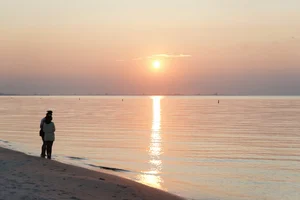
Summer Water Safety Tips for Beachgoers in the Indiana Dunes
WHAT TO KNOW BEFORE YOU SWIM
Author: Tom Rooney, Miller Beach Water Safety Team
Lake Michigan looks calm from the dunes — but the beaches around Gary and other Indiana Dunes beaches are some of the most dangerous freshwater swimming spots in the country. Here's what to know before you head in the water.

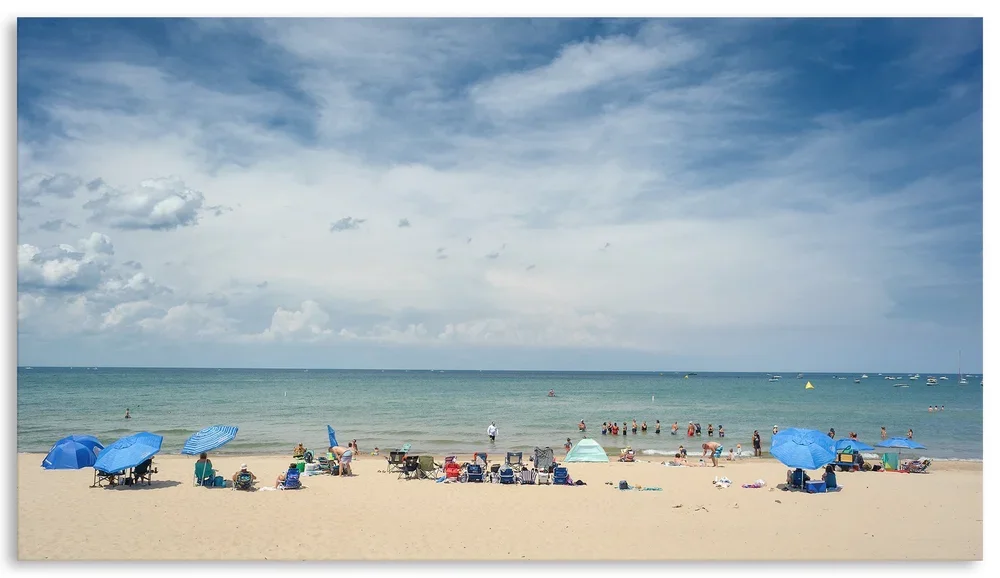
Lifeguards aren't everywhere, and they're not always on duty.
At Indiana Dunes National Park, the only beach with lifeguards is West Beach, and parents and guardians must keep a constant watch of children in the water at all other beaches. At Indiana Dunes State Park, swimming is only allowed when lifeguards are present, regardless of wave height. Marquette Park in Gary is similar — Marquette Beach is the park's designated swimming beach with lifeguards on duty from dawn to dusk, Memorial Day through Labor Day, while nearby Lake Street Beach has a lifeguard station but is not a designated swimming area. So that lifeguard stand in your photo is a good landmark — but check which beach you're actually on and whether it's staffed before you assume help is watching. National Park Service + 3
Rip currents are the real threat.
Rip currents are powerful, narrow channels of fast-moving water that can move faster than an Olympic swimmer, and even the strongest swimmers can't fight them. They're caused by a sudden break in an offshore sandbar that releases water rapidly back into the lake, and even a strong swimmer can drown in one. If you get caught in one: don't try to swim against it — swim parallel to the shoreline until you're out of the current. Parks also warn to avoid swimming when there are large, crashing waves, since they can cause rip currents too. National Parks Traveler + 3
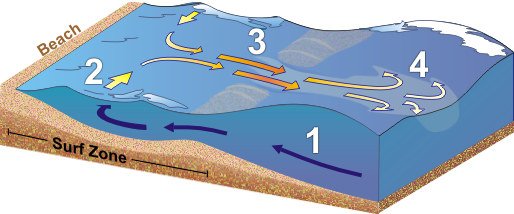
Rip currents are when a section of a sandbar breaks off and can pull a person away from the shore. this is when Flip, Float, and Follow is the best strategy. Diagram from Great Lakes Surf Rescue Project.
Skip the pool toys — grab a real life jacket instead.
This is where that loaner station in your photo comes in. It's part of an effort by Miller Beach Water Safety, a local nonprofit that has been installing a life jacket loaner station at Marquette Park where people can borrow life jackets for toddlers through adults for free, on the honor system, with sizing and use instructions posted, and are simply asked to return them when done. The same group has been active around town — hosting educational meetings, putting up yard signs (including in Spanish), running kayak safety classes, and donating throw rings to local police and sheriff's beach patrols — those are likely the rescue tubes/rings you photographed. It's a volunteer-driven safety net filling the gap on beaches without lifeguards. Real flotation matters: national park guidance elsewhere notes life jackets should be snug but not tight, with all buckles and straps fastened, and that pool toys and inflatables shouldn't be substituted for a life jacket since they don't offer the same protection. NWI Times + 2
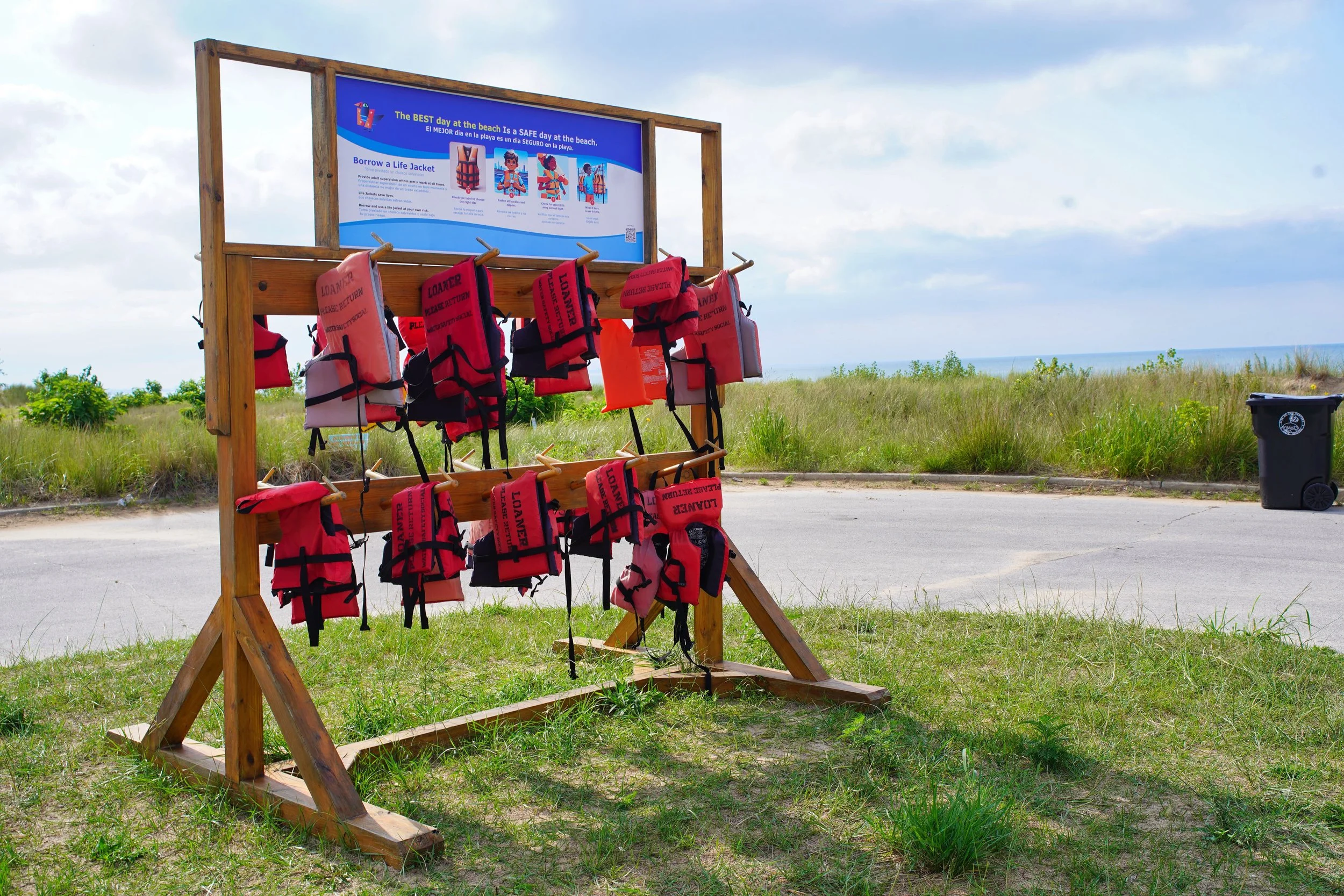
Life jacket station installed by the Miller Beach Water Safety Group. Photo Credit: Erika Blackwell
Things to check out about your beach visit:
Check conditions before you go (NOAA/NWS rip current forecasts and Indiana's BeachGuard system are the go-to sources see links below). Know whether your beach has a lifeguard and when, and use the free gear — life jackets and throw rings — that local volunteers have put out for exactly this reason.
Follow posted E. coli warnings — swimming in contaminated water can cause intestinal illness, skin irritation, or ear infections. nps
Beach closures for rip currents or bacteria are typically decided and posted at the main gate by 11 a.m. the day of closure. Indiana Dunes
Open fires, grills, alcohol, and glass are prohibited on the beach, and dogs aren't allowed in designated swimming areas. South Shore CVA
In winter, shelf ice should always be viewed from land and never walked on. Indiana Dunes
Water Safety in Miller Beach: Know Before You Go In
Miller Beach sits at the southernmost point of Lake Michigan, right where the Indiana Dunes begin — and that gorgeous open water comes with real risk. Freshwater rip currents make Lake Michigan one of the more dangerous swimming spots in the country, which is exactly why a homegrown effort is working to keep our stretch of shoreline safer.
Meet the group behind the gear on the beach
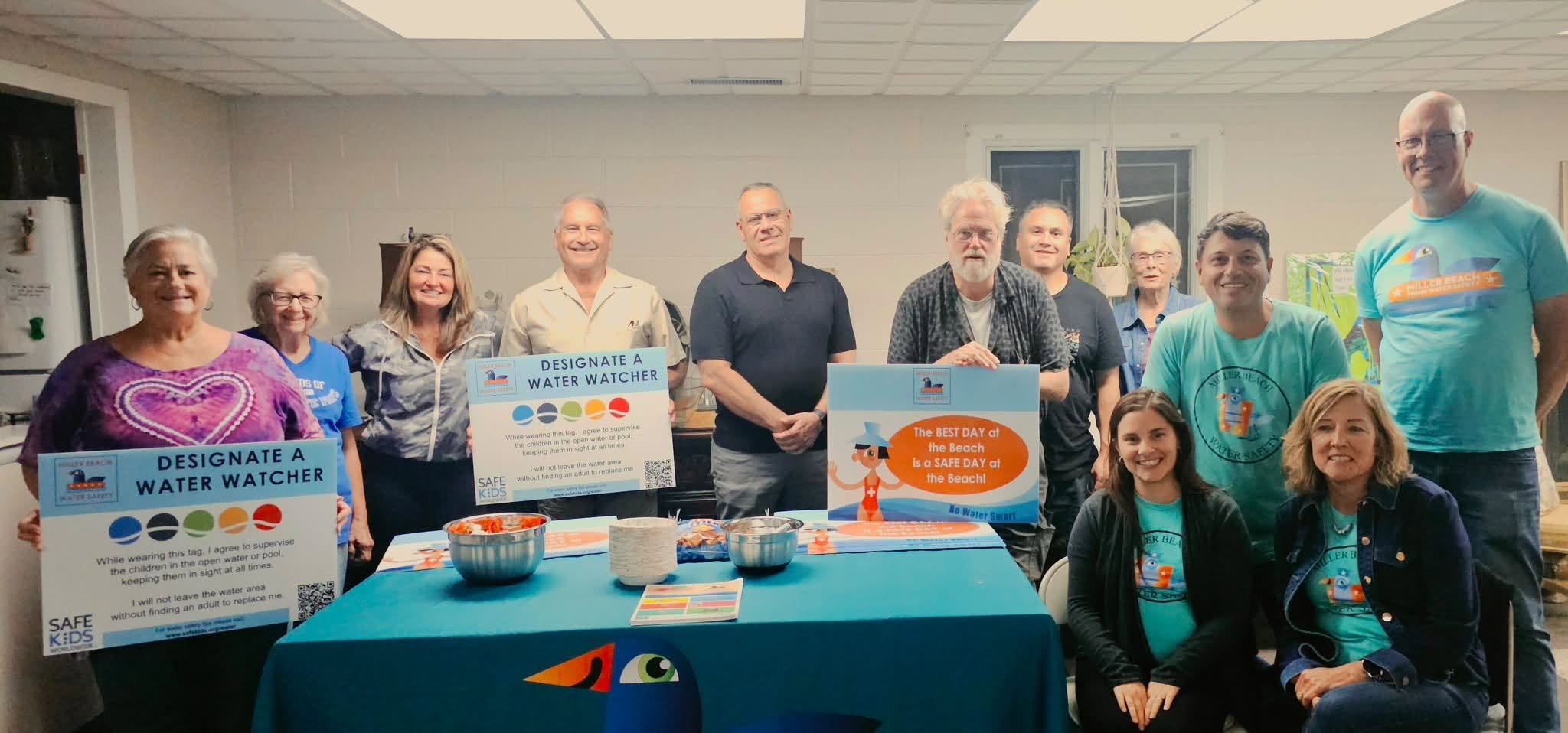
The Miller Beach Water Safety Group advocates for water safety and puts signage and equipment in place to help beach visitors stay safe. Photo Credit: Miller Beach Water Safety Group.
If you've walked Marquette Beach lately, you've probably noticed more than sand and sunbathers — a life jacket loaner station, rescue tubes near the lifeguard stand, and safety signage. That's the work of Miller Beach Water Safety, a local nonprofit whose mission is coordinating community resources around drowning prevention. The group is run in part by Bill Ramos, a Gary native and former Lake Michigan lifeguard who, after witnessing a drowning firsthand, made it his mission to make sure it's preventable next time.
Their work shows up all over Miller Beach:
A free life jacket loaner station at Marquette Park, stocked with sizes from toddler to adult, on the honor system — borrow one, bring it back when you're done.
Rescue/throw tubes donated to the Gary Police Department and Lake County Sheriff's beach patrols, already credited with pulling people out of the water.
Water safety yard signs around town, including Spanish-language versions.
Kayak safety classes run with the Northwest Indiana Paddling Association.
Community education events, including in-water safety demonstrations for kids at Wells Street Beach with drowning-prevention experts.
Why the life jacket matters more than you'd think
Life jackets aren't just for boats. Fit matters — snug but not tight, with every buckle and strap fastened — and pool toys or inflatables should never be treated as a substitute; wind and waves can carry them (and the kid clinging to them) out fast. If your family doesn't own life jackets, that's exactly the gap the Marquette Park loaner station is meant to fill.
Rip currents: the danger you can't always see
Rip currents are narrow, fast-moving channels of water that can pull a swimmer out faster than they can swim back — faster, in fact, than an Olympic swimmer can move. They form when wave action breaks through a sandbar and rushes back out into the lake. If you're caught in one, don't fight it head-on: swim parallel to shore until you're free of the pull, then angle back in. Skip swimming altogether when waves are large and crashing, since that's often when rip currents form. Flip Float and Follow to maintain your strength and follow the safest path to safety. !
Know before you swim in Miller Beach
Lifeguards at Marquette Beach are seasonal, typically on duty dawn to dusk from Memorial Day through Labor Day. Lake Street Beach has a lifeguard station but isn't a designated swimming area — treat it accordingly.
Check for rip current advisories and E. coli/bacteria alerts before heading in; Indiana's BeachGuard system tracks water quality, and closures are typically decided and posted by 11 a.m.
Open fires, grills, alcohol, and glass containers aren't allowed on the beach; dogs must stay out of designated swimming areas.
In winter, shelf ice should be admired from land only — never walked on.
The Takeaway
The next time you're setting up your towel at Marquette Beach, take a second to notice the life jacket stand and rescue tubes nearby — they're not just beach decor. They're the product of neighbors looking out for neighbors, and they're free to use. Grab a jacket for the kids, check the flags before you swim, and enjoy everything that makes Miller Beach one of the best stretches of the Indiana Dunes.
Author Tom Rooney is a dedicated social services professional and a founding executive committee member of the Miller Beach Water Safety Social Group in Gary, Indiana. Leveraging his career in community outreach, Tom serves as vital "glue" connecting local volunteer efforts with actionable beach safety solutions.
Driven by the group's mission to focus community resources on educating the public and mitigating aquatic risks, Tom championed the establishment of 25 marked shoreline safety stations equipped with critical, life-saving rescue gear. Through his passionate advocacy and educational campaigns, he helps ensure that families and visitors can safely enjoy Lake Michigan.
Get Involved & Stay Safe
Support the Mission: Keep these life-saving stations stocked by visiting the Miller Beach Water Safety Social Group Donation Page.
Join the Effort: Follow the team on Facebook to learn how you can volunteer, track lake conditions, and help protect the community.
The Visit Miller Beach Blog is made possible by a Legacy Foundation, Press Forward Grant.